Buy shyla.be ?
We are moving the project
shyla.be .
Are you interested in purchasing the domain
shyla.be ?
domain@kv-gmbh.de · 0541-91531010
Buy shyla.be ?
What intermolecular forces exist?
Intermolecular forces are the forces of attraction and repulsion between molecules. The main types of intermolecular forces include London dispersion forces, dipole-dipole interactions, and hydrogen bonding. London dispersion forces are the weakest type of intermolecular force and occur between all molecules. Dipole-dipole interactions occur between polar molecules, where the positive end of one molecule is attracted to the negative end of another. Hydrogen bonding is a special type of dipole-dipole interaction that occurs when hydrogen is bonded to highly electronegative atoms like oxygen, nitrogen, or fluorine. **
What are intermolecular interactions?
Intermolecular interactions are the forces of attraction or repulsion between molecules. These interactions play a crucial role in determining the physical and chemical properties of substances. Examples of intermolecular interactions include hydrogen bonding, van der Waals forces, and dipole-dipole interactions. These forces can affect properties such as boiling and melting points, solubility, and viscosity. **

Similar search terms for Intermolecular
Top-Angebote
Products related to Intermolecular:
-
Gabby's Dollhouse Beauty Set Accessories coffret cadeau pour enfantGabby's Dollhouse Beauty Set Accessories, 1 pcs, Sets pour enfant pour enfant, Qui ne craque pas aux queues de cheval chez les enfants. Le complément capillaire Gabby's Dollhouse Beauty Set Accessories rend la coiffure des enfants encore plus jolie. Le produit : orné de motifs de contes de fées que les enfants adorent aux motifs préférés des enfants constitue le cadeau idéal L'ensemble contient: collier 1 pcs élastique à cheveux 1 pcs pince à cheveux 2 pcs4,41 €*Shipping: 3,45 €Secure redirect to the provider

-
What are intermolecular forces?
Intermolecular forces are the attractive forces that exist between molecules. These forces are responsible for holding molecules together in a liquid or solid state. There are several types of intermolecular forces, including hydrogen bonding, dipole-dipole interactions, and London dispersion forces. These forces play a crucial role in determining the physical properties of substances, such as their boiling and melting points, as well as their solubility and viscosity. **
-
How are intermolecular forces classified?
Intermolecular forces are classified into three main categories: dispersion forces, dipole-dipole forces, and hydrogen bonding. Dispersion forces are the weakest type of intermolecular force and are caused by temporary fluctuations in electron distribution within molecules. Dipole-dipole forces occur between polar molecules and are stronger than dispersion forces. Hydrogen bonding is the strongest type of intermolecular force and occurs when hydrogen is bonded to highly electronegative atoms like oxygen, nitrogen, or fluorine. **
-
What are strong intermolecular interactions?
Strong intermolecular interactions are attractive forces between molecules that are stronger than typical van der Waals forces. These interactions can include hydrogen bonding, dipole-dipole interactions, and ion-dipole interactions. Strong intermolecular interactions play a crucial role in determining the physical properties of substances such as boiling point, melting point, and solubility. They are important in various biological processes, such as protein folding and DNA replication. **
-
Which intermolecular interactions are possible?
Intermolecular interactions that are possible include hydrogen bonding, dipole-dipole interactions, and London dispersion forces. Hydrogen bonding occurs when a hydrogen atom is bonded to a highly electronegative atom such as oxygen, nitrogen, or fluorine. Dipole-dipole interactions occur between molecules with permanent dipoles, while London dispersion forces are the weakest intermolecular interactions and occur between all molecules due to temporary fluctuations in electron distribution. These interactions play a crucial role in determining the physical properties of substances such as boiling and melting points. **
What are intermolecular interactions in chemistry?
Intermolecular interactions are the forces of attraction or repulsion between molecules. These interactions play a crucial role in determining the physical properties of substances, such as boiling point, melting point, and solubility. The main types of intermolecular interactions include hydrogen bonding, dipole-dipole interactions, and van der Waals forces. These interactions are weaker than chemical bonds within a molecule, but they still significantly impact the behavior and properties of substances. **
Which intermolecular forces are the strongest?
The strongest intermolecular forces are hydrogen bonding, which occurs when a hydrogen atom is bonded to a highly electronegative atom such as oxygen, nitrogen, or fluorine. Hydrogen bonding is stronger than dipole-dipole interactions and London dispersion forces. This is because hydrogen bonding involves a particularly strong attraction between the partially positive hydrogen atom and the partially negative atom it is bonded to, leading to a higher energy of interaction compared to other intermolecular forces. **
Top-Angebote
Products related to Intermolecular:
-
Gabby's Dollhouse Beauty Set Accessories ensemble pour enfantGabby's Dollhouse Beauty Set Accessories, , Accessoires de coiffure pour enfants pour enfant, Les cheveux délicats des enfants nécessitent des soins particuliers et extrêmement doux. Le coffret cosmétique Gabby's Dollhouse Beauty Set Accessories contient non pas un mais plusieurs produits qui permettent de créer ou d’enrichir la routine capillaire quotidienne des enfants. Conçu pour les plus petits et répondre à leurs besoins, cet ensemble fera le bonheur de votre petit trésor et vous permettra de prendre plus facilement soin de ses cheveux ou encore de son cuir chevelu. Le produit : design amusant pour l’enfant orné de motifs de contes de fées que les enfants adorent fera plaisir à toutes les filles L'ensemble contient: brosse à cheveux 1 pcs barrettes à cheveux 2 pcs élastiques à cheveux 5 pcs6,39 €*Shipping: 3,45 €Secure redirect to the provider
-
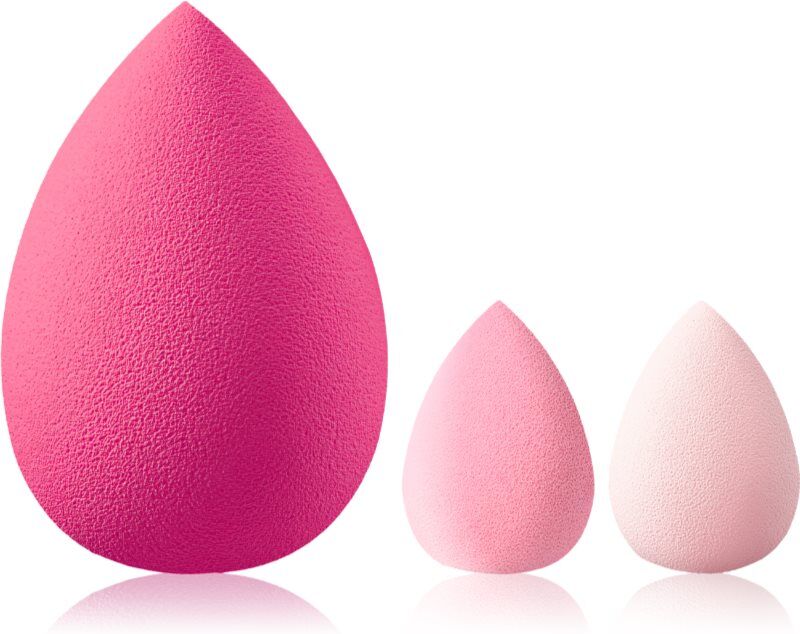
Dermacol Accessories Beauty Blender set d'applicateurs 3 pcsDermacol Accessories Beauty Blender, 3 pcs, Eponges pour femme, Lorsque vous appliquez votre fond de teint avec vos doigts ou un pinceau, le résultat n’est pas à la hauteur de vos attentes ? Essayez autre chose. L’éponge à fond de teint Dermacol Accessories Beauty Blender vous garantit une application impeccable du fond de teint et un rendu professionnel. Elle vous aide à camoufler toutes les imperfections de votre peau et vous offre un résultat beaucoup plus naturel que celui obtenu avec les doigts. Sa forme s’adapte aux contours de tous les visages et applique le produit dans tous les recoins, tandis que sa surface ultra-douce assure une application uniforme et précise, sans traces ni gaspillage. L'ensemble contient: éponge à maquillage 1 pcs éponges mini 2 pcs Le produit : facile à tenir dans la main applique avec précision le maquillage en poudre ou en crème garantit une finition très facile applicateur en mousse douce Mode d’emploi : Humidifiez l’éponge avant utilisation. Appliquez le fond de teint, la base ou le correcteur sur l’éponge, puis étalez doucement sur le visage.6,10 €*Shipping: 3,45 €Secure redirect to the provider
-
Gabby's Dollhouse Beauty Set Accessories coffret cadeau pour enfantGabby's Dollhouse Beauty Set Accessories, 1 pcs, Sets pour enfant pour enfant, Qui ne craque pas aux queues de cheval chez les enfants. Le complément capillaire Gabby's Dollhouse Beauty Set Accessories rend la coiffure des enfants encore plus jolie. Le produit : orné de motifs de contes de fées que les enfants adorent aux motifs préférés des enfants constitue le cadeau idéal L'ensemble contient: collier 1 pcs élastique à cheveux 1 pcs pince à cheveux 2 pcs4,41 €*Shipping: 3,45 €Secure redirect to the provider
-
What intermolecular forces exist?
Intermolecular forces are the forces of attraction and repulsion between molecules. The main types of intermolecular forces include London dispersion forces, dipole-dipole interactions, and hydrogen bonding. London dispersion forces are the weakest type of intermolecular force and occur between all molecules. Dipole-dipole interactions occur between polar molecules, where the positive end of one molecule is attracted to the negative end of another. Hydrogen bonding is a special type of dipole-dipole interaction that occurs when hydrogen is bonded to highly electronegative atoms like oxygen, nitrogen, or fluorine. **
-
What are intermolecular interactions?
Intermolecular interactions are the forces of attraction or repulsion between molecules. These interactions play a crucial role in determining the physical and chemical properties of substances. Examples of intermolecular interactions include hydrogen bonding, van der Waals forces, and dipole-dipole interactions. These forces can affect properties such as boiling and melting points, solubility, and viscosity. **
-
What are intermolecular forces?
Intermolecular forces are the attractive forces that exist between molecules. These forces are responsible for holding molecules together in a liquid or solid state. There are several types of intermolecular forces, including hydrogen bonding, dipole-dipole interactions, and London dispersion forces. These forces play a crucial role in determining the physical properties of substances, such as their boiling and melting points, as well as their solubility and viscosity. **
-
How are intermolecular forces classified?
Intermolecular forces are classified into three main categories: dispersion forces, dipole-dipole forces, and hydrogen bonding. Dispersion forces are the weakest type of intermolecular force and are caused by temporary fluctuations in electron distribution within molecules. Dipole-dipole forces occur between polar molecules and are stronger than dispersion forces. Hydrogen bonding is the strongest type of intermolecular force and occurs when hydrogen is bonded to highly electronegative atoms like oxygen, nitrogen, or fluorine. **
Similar search terms for Intermolecular
-
What are strong intermolecular interactions?
Strong intermolecular interactions are attractive forces between molecules that are stronger than typical van der Waals forces. These interactions can include hydrogen bonding, dipole-dipole interactions, and ion-dipole interactions. Strong intermolecular interactions play a crucial role in determining the physical properties of substances such as boiling point, melting point, and solubility. They are important in various biological processes, such as protein folding and DNA replication. **
-
Which intermolecular interactions are possible?
Intermolecular interactions that are possible include hydrogen bonding, dipole-dipole interactions, and London dispersion forces. Hydrogen bonding occurs when a hydrogen atom is bonded to a highly electronegative atom such as oxygen, nitrogen, or fluorine. Dipole-dipole interactions occur between molecules with permanent dipoles, while London dispersion forces are the weakest intermolecular interactions and occur between all molecules due to temporary fluctuations in electron distribution. These interactions play a crucial role in determining the physical properties of substances such as boiling and melting points. **
-
What are intermolecular interactions in chemistry?
Intermolecular interactions are the forces of attraction or repulsion between molecules. These interactions play a crucial role in determining the physical properties of substances, such as boiling point, melting point, and solubility. The main types of intermolecular interactions include hydrogen bonding, dipole-dipole interactions, and van der Waals forces. These interactions are weaker than chemical bonds within a molecule, but they still significantly impact the behavior and properties of substances. **
-
Which intermolecular forces are the strongest?
The strongest intermolecular forces are hydrogen bonding, which occurs when a hydrogen atom is bonded to a highly electronegative atom such as oxygen, nitrogen, or fluorine. Hydrogen bonding is stronger than dipole-dipole interactions and London dispersion forces. This is because hydrogen bonding involves a particularly strong attraction between the partially positive hydrogen atom and the partially negative atom it is bonded to, leading to a higher energy of interaction compared to other intermolecular forces. **
* All prices are inclusive of VAT and, if applicable, plus shipping costs. The offer information is based on the details provided by the respective shop and is updated through automated processes. Real-time updates do not occur, so deviations can occur in individual cases. ** Note: Parts of this content were created by AI.